
A Cheddar Gorge day trip is the outing we suggest most often to guests, because it packs so much into one place: Britain’s biggest gorge, show caves, a proper cliff walk, real cheddar being made, and cider country on the way home. It is only twenty-five minutes from our cottages in Kewstoke. This is the plan we use when family come to visit, timed so you are never rushing.
In this guide
Getting there for your Cheddar Gorge day trip
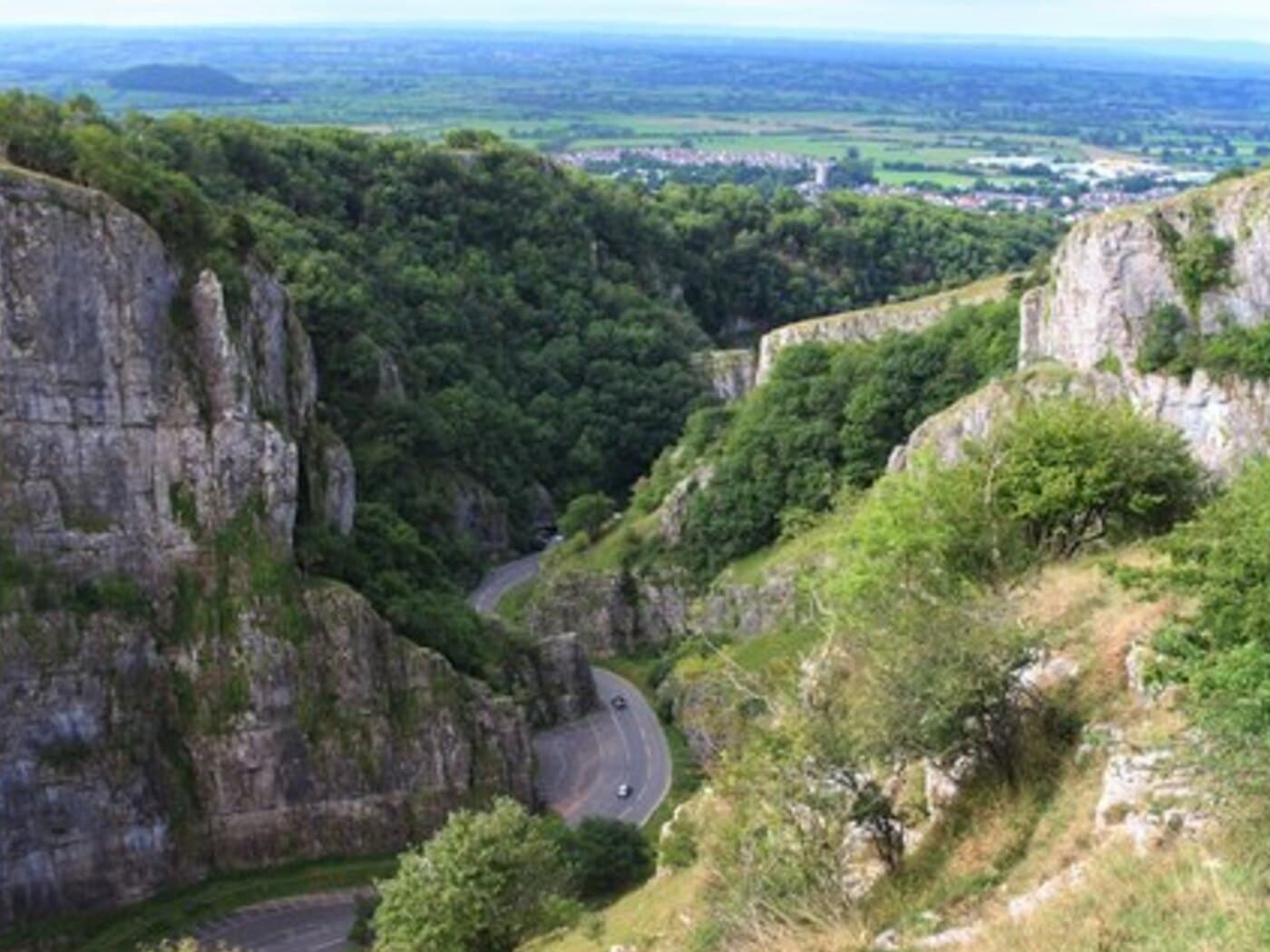
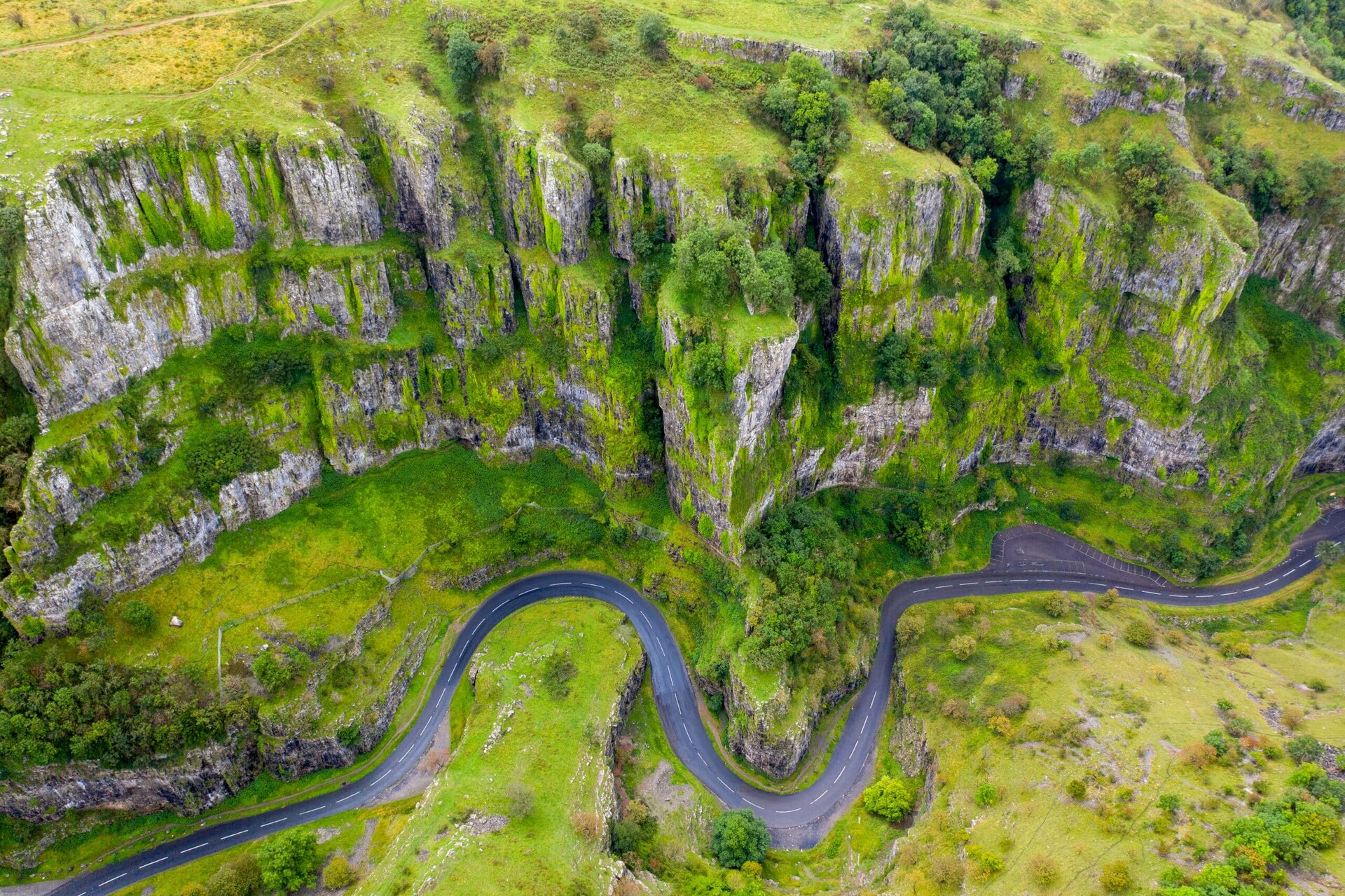
From Weston-super-Mare, take the A371 through Winscombe and Axbridge to Cheddar village. The road then continues up through the gorge itself, which is worth driving slowly at least once for the sheer scale of the cliffs. The village end of the gorge has the main car parks, cafés and the cave entrances.
Arrive before ten if you can, especially at weekends and in school holidays. The gorge is one of the most visited natural attractions in the south-west, and the car parks fill by late morning in summer. The Cheddar Gorge and Caves website lists opening times and ticket options.
Morning: the caves
Start underground while your legs are fresh. Gough’s Cave is the big one, with lit chambers, mirror pools and the story of Cheddar Man, the oldest complete human skeleton found in Britain, who was discovered here in 1903. The caves stay at a steady cool temperature all year, so bring a light layer even in August.
Allow around an hour and a half for the caves and the small museum. Children generally love the drama of it, and the paths are well lit and even, though there are steps in places.
Midday: the cliff-top walk or the lookout tower
For the classic views you have two choices. The energetic option is the cliff-top circular walk, which starts with Jacob’s Ladder, a 274-step climb from the village, and loops around both rims of the gorge over about four miles. It is steep in places and the limestone can be slippery after rain, but the views straight down into the gorge are unforgettable.
The easier option is to climb Jacob’s Ladder to the lookout tower and stop there. You still get the big view over the gorge and across the Somerset Levels towards Glastonbury Tor, and you are back down in half an hour.
Lunch and cheese in the village
Cheddar village is full of cafés and pubs, and on a sunny day the ones with gardens along the river fill up fast. Our tip is to eat slightly early or slightly late to skip the queue.
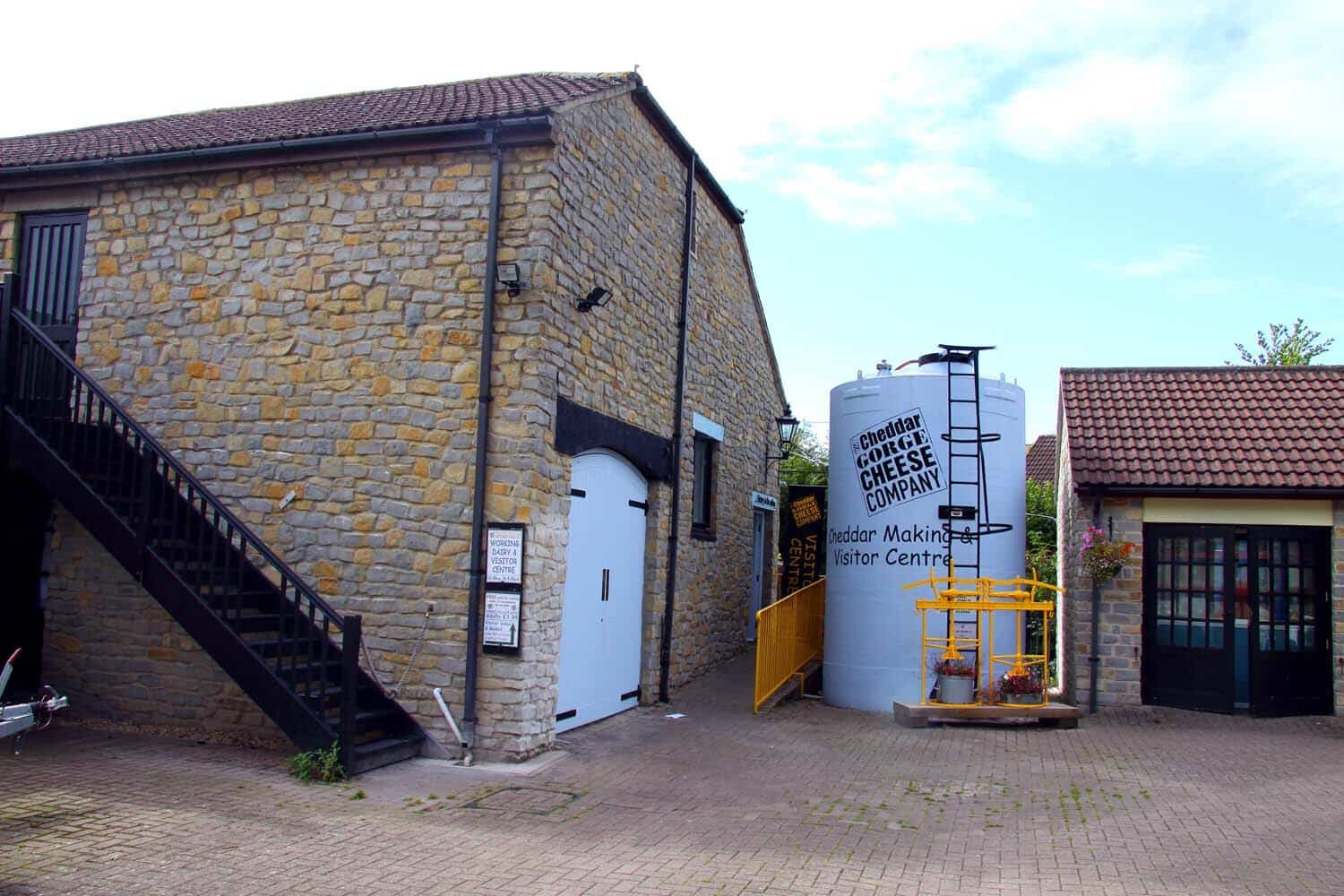
Then the important part: the cheese. The Cheddar Gorge Cheese Company is the only cheddar maker left in the village, making traditional cloth-bound cheddar by hand. You can watch the process through the viewing windows and taste before you buy. A wedge of cave-matured cheddar is the souvenir every guest comes back to the cottage with.
Afternoon: a gentler stretch of the gorge
If the cliff walk was enough exercise, drive up to the top of the gorge and pull into one of the lay-bys. The rock faces here are popular with climbers, and the feral goats that keep the scrub down are often close to the road. The Cheddar Gorge entry on our experiences page has a few more ideas for the afternoon.
Families with younger children might prefer the Strawberry Line instead. The flat, traffic-free path starts in Cheddar and runs through orchards towards Axbridge, and it is perfect for a short amble or a scooter ride before the drive home.
On the way home: cider country
Your route back to Weston passes within a few minutes of Sandford, home of Thatchers Cider. The Railway Inn next to the farm is the family’s own pub, and the shop sells the full range, including ciders you will not find in the supermarket. It turns a Cheddar Gorge day trip into a proper Somerset day. Our cider and cheese guide has more tastings nearby.
Cheddar Gorge with children
Cheddar Gorge is one of the best family days out in Somerset, but it pays to plan around ages. Under-fives love the caves and the goats, and can manage the climb to the lookout tower with a few rests. Primary-age children can do the full cliff-top loop with encouragement and snacks; the scrambly bits are the highlight. Teenagers may prefer the rock climbing and caving sessions run in the gorge, which need booking in advance.
Bring layers for the caves, proper shoes for the walk and a change of clothes for the car, because the limestone dust and the river both find their way onto small people. There are toilets in the village car parks and at the cave entrances.
Cheddar Gorge without the crowds
The gorge is busiest between eleven and three on summer weekends and school holidays. Arrive at nine and you will have the cliff walk almost to yourself; arrive at four and the coaches have gone. Weekdays outside the holidays are quiet all day. Winter is the most atmospheric time of all, with mist in the gorge and the caves as warm as ever, and the village cafés are glad to see you.
If the village car parks are full, drive up through the gorge and park in one of the lay-bys near the top, then walk down. You get the best rock faces close up, and the goats are usually near the road.
The wider Cheddar Gorge area
Cheddar sits on the southern edge of the Mendip Hills, and the gorge is only the beginning. Cheddar Reservoir, a mile from the village, has a flat path all the way round and is popular with sailors and birdwatchers. The Strawberry Line starts in Cheddar and runs through the orchards to Axbridge, a medieval square with a museum in a Tudor house. Ebbor Gorge, a wilder and quieter limestone valley, is fifteen minutes east near Wookey Hole.
For a full weekend, base yourself with us on the coast and give Cheddar Gorge one day and Wells, Wookey Hole and Glastonbury the next. Our Mendip Hills walks guide covers the hills above the gorge in more detail.
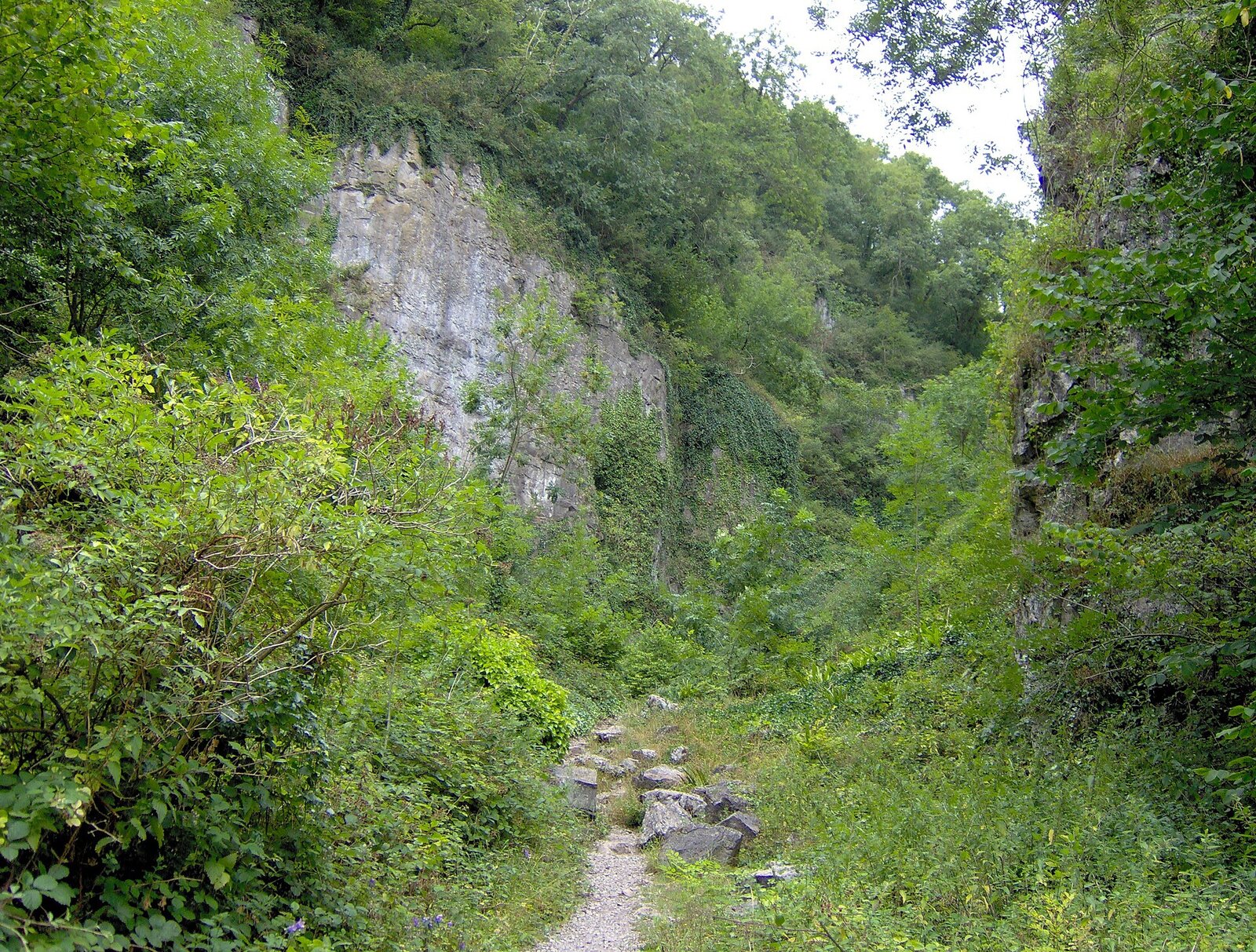
A little Cheddar Gorge history and geology
The gorge was cut by meltwater at the end of the last ice age, when the limestone was frozen solid and the water ran over the surface instead of sinking through it. The result is a cleft nearly 140 metres deep and three miles long, the largest in Britain. The caves below were formed by water dissolving the rock over a much longer period, and they have been used by people for tens of thousands of years.
Cheddar Man, found in Gough’s Cave in 1903, lived around ten thousand years ago and is the oldest complete human skeleton found in Britain. Cheese has been matured in the caves for centuries because the temperature and humidity stay constant, which is exactly what a cloth-bound cheddar needs.
Eating and drinking in Cheddar
The village has cafés and pubs along the main street and up into the gorge, with plenty of gardens for sunny days. Cream teas, ploughman’s lunches with local cheddar and pints of Somerset cider are the classics. For a picnic, the cheese company, the bakery and the farm shops in the village will set you up, and the reservoir path or the top of Jacob’s Ladder are good places to eat it.
Getting to Cheddar Gorge without a car
Buses run from Weston-super-Mare to Cheddar via Axbridge, taking around an hour. It is a pleasant ride through the villages and it means everyone can taste the cider. Check the timetable before you travel, as the service is less frequent on Sundays. Cyclists can ride the Strawberry Line from Yatton, a flat and traffic-free route straight into the village.
Practical tips
- The gorge road is narrow and busy in summer. Drive slowly and expect goats and cyclists.
- Wear proper shoes for the cliff walk. Trainers are fine in the dry, but the limestone polishes smooth and is slippery when wet.
- The caves are around 11 degrees all year. A jumper is welcome even on a hot day.
- Book cave tickets online in school holidays to skip the queue.
- Dogs are welcome on the cliff-top walk and in most of the village cafés with gardens, but not in the caves.
Make a weekend of it
Cheddar is one of a cluster of great days out from our cottages. Wookey Hole, Wells and Glastonbury are all within another twenty minutes of the gorge, so a two-night stay lets you do the Mendips one day and the coast the next. Browse the cottages and apartments, and see our guide to days out from Weston-super-Mare for the rest of the list.